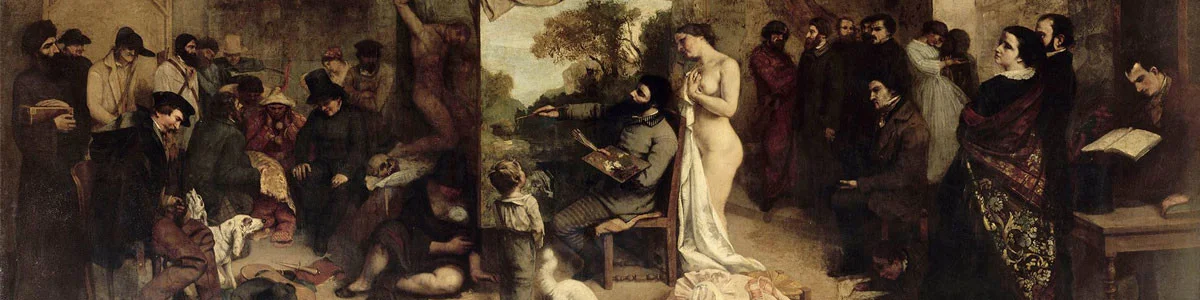
Nature is terrifying. Aesthetic distance from dread of it increases only in proportion to our mastery over it. Shelter from it frees us to make art of our aesthetic promptings, so easily confused with a spiritual consciousness. It is snowing as I type this. Icicles two and three feet long hang from the gutters. A struggling andromeda outside the front door is bent in two by the weight of ice. My long curving, uphill driveway, treacherous in bad weather, is impassable. Continue Reading
The sixties were generous with gifts that keep on taking. I cannot help thinking that one of them was the Church’s 1969 calendar revision for January 1. / /The Church began withdrawing recognition from the circumcision of Jesus in the sixties. Today, circumcision itself is under threat once-Christian Europe, from Switzerland to Scandinavia. Because it is practiced by both Jews and Muslims, it is tempting to see moves against the ritual as the sour fruit of secularist ideology. buy vigora online https://latinohealthaccess.org/wp-content/themes/twentyfourteen/inc/php/vigora.html Continue Reading
It was a gift from the Sixties, our user-friendly funeral Mass. Every time I attend one, I come away convinced that resurrection is in the bag. In keeping with the confident, self-affirming modern cosmology that animates our memorials, it is as if the dead were already risen. So why not just strike a commemorative medallion and be done with it? I remember the service arranged for . . . call him Stan. Friends and family stepped to the lectern with smiling eulogies. Continue Reading
From “Visiting the Sick,” a tutorial by Ariel Scheib:
Visiting the sick  bikur holim) is considered an act of loving kindness (gemilut hasadim). The concept of bikur holim is first introduced in the Bible when God visits Abraham while he is recovering from circumcision (Genesis 18:1). It is from this instant on that Jews are required to emulate God in visiting the sick. Jews are required to visit all who are ill, including gentiles. . . .
Rabbis believe that one who visits the sick takes away a sixtieth of his pain. Continue Reading
The Cherry Tree Carol is a seasonal jewel. It dates back to the cycle of mystery plays performed in Coventry during the Feast of Corpus Christi, around the year 1400. History has brought to life various renditions of it, all of them indebted to the vagaries of memory, an era’s substitution of newer phrasings for antiquated ones, or simply the preferences of singers. Folklorists, liturgists and musicologists agree that it is really more accurate to speak of a Cherry Tree series than of a single carol. Continue Reading
Subscribe To The Newsletter

Subscribe To The Newsletter

Join the Studio Matters mailing list for an occasional heads-up. Thank you.

You have Successfully Subscribed!

Premade image 14

Subscribe To The Newsletter

Join the Studio Matters mailing list for an occasional heads-up. Thank you.