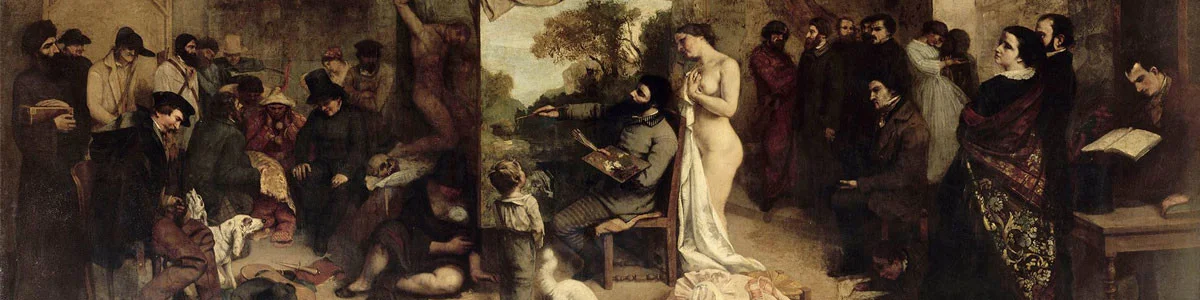
“Entertainment became the most obvious direct manifestation of freedom that liberalism offered humanity and, at the same time, the most tangible confirmation of the dominant status of the democratic man and his tastes.” So wrote Ryszard Legutko, an eminent Polish philosopher, statesman, and editor of Solidarity’s underground philosophy journal in the 1980s. His more recent The Demon in Democracy: Totalitarian Temptations in Free Societies continues:
The omnipresence of entertainment was something by which the democratic man became easily recognized: it was his trademark, his coat of arms, his—so to speak—identity card.
Continue Reading
As the press tells it, this year’s consecration of Russia, together with Ukraine, was undertaken at the bidding of Ukraine’s Catholic bishops. Beneath the religious-sounding string of catchwords and rebukes, it is a secular declaration pronounced for political purposes. The media-driven orthodoxy of the day—Putin, evil; Zelensky, heroic—resurrects an outmoded cultural diktat. It serves neither the Church nor the truth of things. Russia is no longer the font of atheistic materialism as Cardinal Burke believes it to be. His recent claim that “the great evil of Communism must be healed at its root” is true. Continue Reading
Subscribe To The Newsletter

Subscribe To The Newsletter

Join the Studio Matters mailing list for an occasional heads-up. Thank you.

You have Successfully Subscribed!

Premade image 14

Subscribe To The Newsletter

Join the Studio Matters mailing list for an occasional heads-up. Thank you.
