It did not take long for this shiny new pontificate to lose its lustre. And its credibility. The spectacle of Pope Leo granting solemn blessing to a block of glacial ice was the point of no return for papal dignity. There is no way to unsee what the world saw at “Raising Hope for Climate Justice” the Vatican’s October 1st shindig against the bogey of climate change.
Have you any clear idea what climate justice means? Or how to distinguish it from climate injustice? Neither do I. And it is fair to think Leo has none either. What he apparently does have, as a devoted acolyte of Jorge Bergoglio, is a blinkered hostility to Western affluence—the very thing that Third World and developing nations need to grasp the fundaments of so that they can create it for themselves.
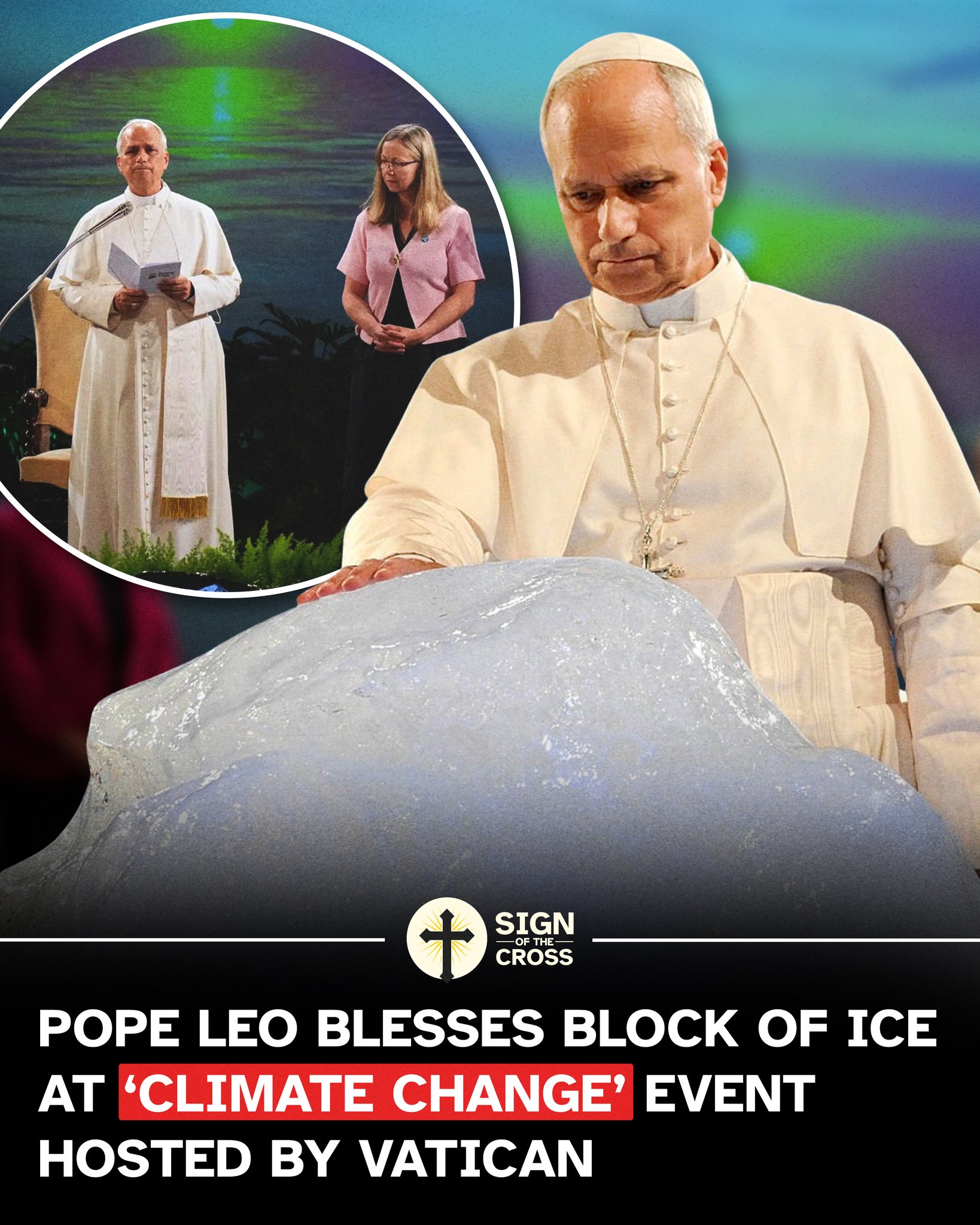
Leo’s caper sent ecclesiastical authority hurtling into buffoonery. When I first saw a report of the ceremony at Castel Gandolfo, I dismissed it as an AI generated prank. Maybe a Greta Thunberg stunt? But no. It really happened, part of a three-day homage to Laudato Sí and the climate-grift legacy of Pope Francis.
The Hindustan Times quoted the mocking question: “Will it become holy water?”
One priest commented on X: “What we have never had until now is two [popes] in a row for the explicit destruction of the papacy.” Reacting to the improvised niceties—more pagan ritual than liturgical act—that accompanied the papal blessing, Matt Walsh added: “The leader of the Catholic Church shouldn’t be anywhere near this nonsense. What the hell are we doing here?”
What we are doing is watching the depreciation of the Catholic Church as a determinant of moral seriousness.
Re-reading Edward Norman, ecclesiastical historian and convert to Catholicism.
It has been three decades since Edward Norman wrote Entering the Dark, a warning against naive optimism about the then-approaching millennium as a “new age” of spiritual enlightenment. Subtitled “Christianity and its Modern Substitutes,” Norman addressed the shallowness of various modern conceptions of religious faith and practice. He offered trenchant commentary on the contemporary confusion of faith with emotional satisfaction and ideological enthusiasms.
A former Anglican priest, he was unsparing in discussion of ecclesial mediocrity—a susceptibility to the secularized values of a “largely secularized intelligentsia.” This predisposition carries with it loss of confidence in the distinctive nature of religious experience. Such deficiency can hide behind traditional religious language for a time. But eventually, it will out. And it will emerge all the more quickly among clergy indistinguishable from the literate society around them.
The chief difficulty for the clergy is that they are, intellectually, no more qualified than their flocks at the discernment of information and the formation of opinion. . . . Relative to the educational attainment of their [literate] flocks, it is not just that a parity has been reached but that the clergy are sinking. The intellectual capacities of the clergy of the past can doubtless be exaggerated. But there is no doubt about the diminished abilities of the clergy of today.
The simple fact is that the finest minds, those who emerge at the highest levels of educational training, are not seeking ordination to the Church.
. . . The fact is that the clergy of today are unquestionably less educationally gifted, in relation to those around them in comparable areas of professional life, than they have ever been. This is true for Europe and the United Kingdom, and is beginning to be true for the United States, where a high level of religious affiliation, and a very professional clergy, have so long maintained what has probably been the most educated Christian ministry the world has ever seen.
Norman wrote frequently about the Catholic Church. He understood its history as key to understanding two thousand years of Western civilization. He entered the Catholic Church in the last year of Pope Benedict’s reign.
Climate change is a catchphrase, the globalist’s rallying cry.
The USCCB headline burbles: “The world must come together to fight climate change, says Pope Leo.” It continues:
. . . during an international conference on climate justice, Pope Leo XIV continued his predecessor’s call for ecological conversion and concrete action to protect creation.
He warned against indifference, called the faithful to care for the earth and the poor, and he praised climate justice efforts across the globe.
• • • • •
Ecological conversion! Ponder the phrase. Is that what the Christian doctrine of the Incarnation comes to? Is faith in the divine presence no more than a return to nature worship?
• • • • ˜•
The Church has been caring for the poor for twenty centuries. But not in the right way, it seems. Now emphasis has shifted under the aegis of the eco-theocracy that Rome shares with Davos. And which it craves to lead. At base, it is love of power, not love of the world’s poor—nor even love of God—that fuels environmental politics. Adopting a posture of love for the poor, environmental theocrats and alarmists seek control over all engines of productivity, over its markets, methods, and peoples.
In the artless confession of Zohran Mamdani—on track to become New York City’s new mayor—it is time to “seize the means of production.” While not a direct quote from Marx, the phrase is fundamental to Marxist vision and policy making. Give Mamdani credit. He is, at the damnable least, a more transparent despoiler than Robert Prevost.
Appeal to climate change or climate justice is not an argument. It is a suggestive mantra that triggers a range of emotional reactions, heady enthusiasms detached from good faith inquiry and debate. Think of it as a mystical incantation to achieve globalist transcendence over national sovereignty. (Designated victims of climate change have a divinely ordained right to move wherever else on the planet their complaints will be remedied by indigenous taxpayers.)
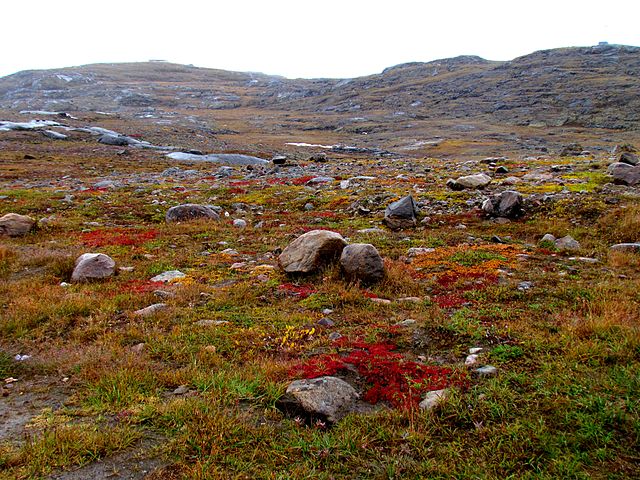
We inhabit a living planet in a dynamic universe. Climate has been changing since the first rambunctious days of planet formation within our developing solar system. Leo’s block of ice, lovingly imported from Greenland, could have been showcased as a symbol of planetary dynamism. It might have occasioned tribute to the wit of the Creator who instilled His works with a vigor and an ebullience all their own. It also might have served as a caution to human hubris.
Greenland’s ice sheet came and went for millions of years before climate change had a name. More than four million years ago, it was glacier-free, primarily tundra and forest. Those dryads sharing the stage with Leo might have choreographed a jazz dance to Eric the Red, who gave Greenland its name some one thousand years ago. They might have sung of fossil evidence that southern Greenland was once covered in forests. All before the invention of hair spray, air conditioning, the internal combustion engine, greenhouse gas emissions from livestock, or the demonization of carbon dioxide.
In the end, Greenland’s perennial fluctuation in and out of glaciation did not suit the intended mood of propagandistic piety. Leo’s ice capade was ideological theater rather than environmental reality.
• • • • •
Robert Prevost just turned seventy. We are in for a long and uncertain ride.

