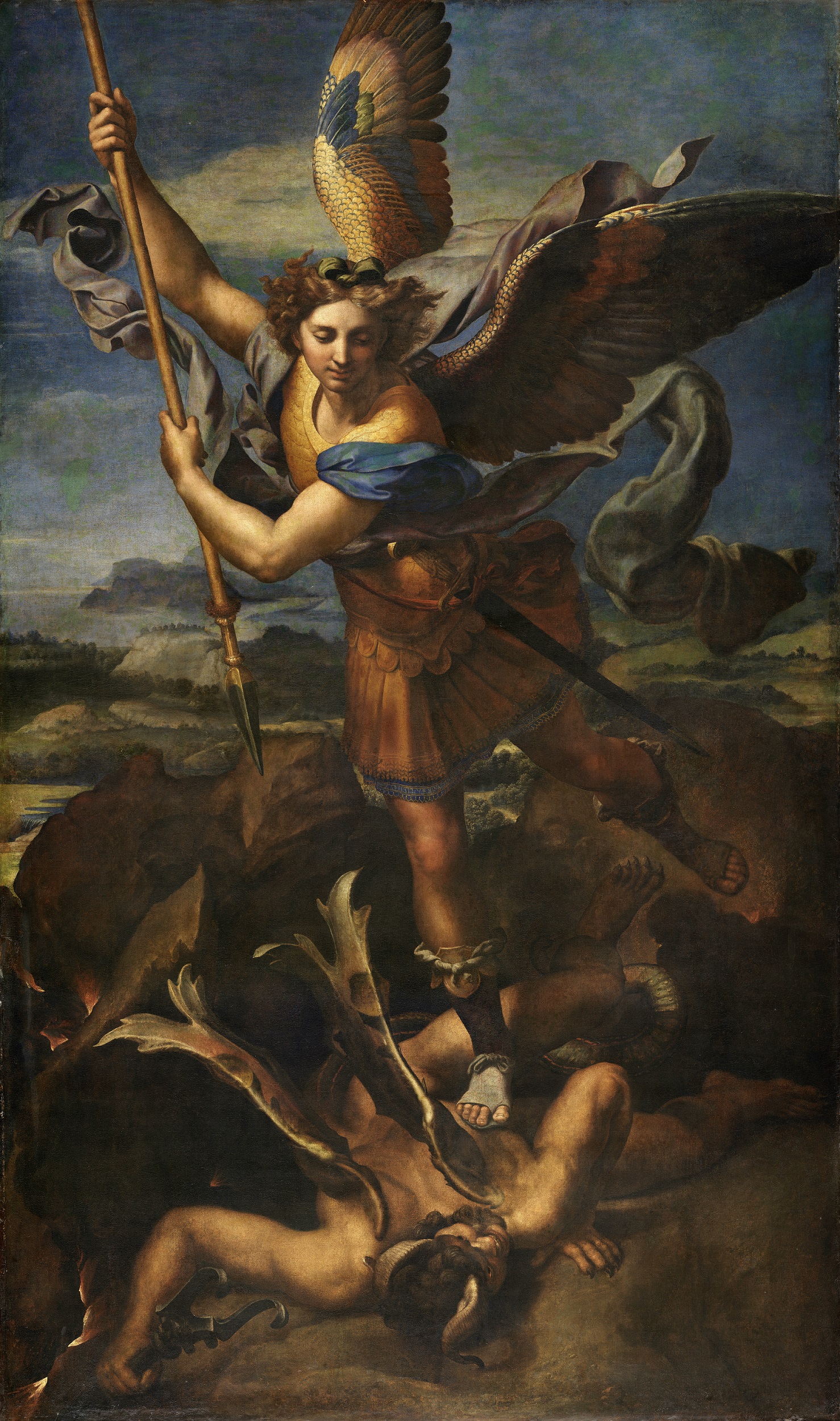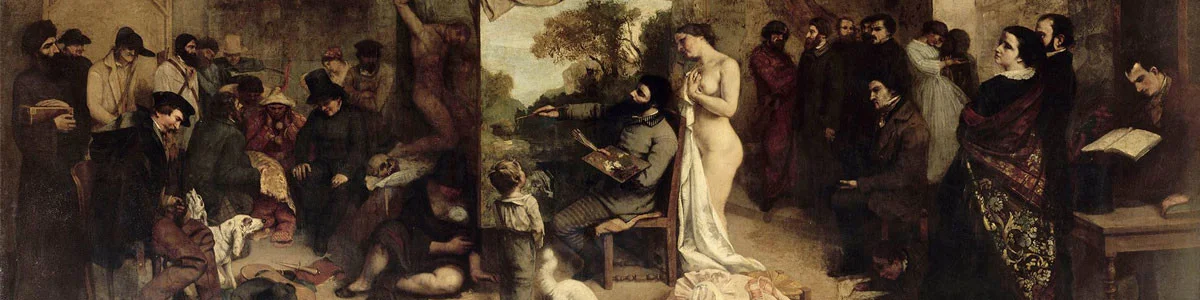
Cardinal Ravasi’s embrace of art and fashion, the two dominant enthusiasms of secular culture, conveys a this-wordly moralism more theatrical than moral. Of all modern substitutes for religion, art is the most esteemed. It veils contemporary materialism in the language of transcendent values. The cardinal wasted no time embracing the peculiar nature of the high-stakes art world. Pope Francis was installed in March, 2013. Two months later Ravasi announced the Vatican’s first foray into the Venice Biennale. Beginning with a modest prehistory in 1893, the Biennale has evolved into the ultimate bazaar. Continue Reading
When I learned that John Leo had retired as editor-in-chief of Minding the Campus, my thoughts leaped to T.S. Eliot’s final prayer at the end of Ash Wednesday: “Suffer me not to be separated.” The news came as a wrench, a decisive twist to the bolt on a repository of shaping memories, His writing was at the center of much that had stamped my wits and my interests over decades. The man entered my life through a Xeroxed copy of his December 1, 1965 column in the National Catholic Reporter. Continue Reading
More than monuments are toppling. Our sense of the sacred diminishes further with each week that fear of Wuhan virus ranks higher on parish concerns than the concept of sin. Thomas Mann once quipped that nowadays sin is “an amusing word used only when one is trying to get a laugh.” Now we can get our laughs untainted by any nagging guilt right in our own parishes. They have risen from slumber over the concept of sin in order to testify with vigor to hygiene in the age of COVID. Continue Reading
The virus is cruel, but not evil. Because it sickens and can kill, it is natural for us to experience it as malevolent. Yet how could it be? A virus is as much a tribute to God’s handiwork as the dogwood blossoming by my neighbor’s mailbox, or the blue heron standing below the waterfall on our local pond. Viruses have endured longer than the sandstone cliffs on the Jurassic coast of Devon. They are older than the ferns, conifers, and butterflies of the Cretaceous Period. Continue Reading
My confession finished, I waited for my penance and the sweet sound of  the ancient formula, “Ego te absolvo.” There was a brief silence on the other side of the screen. Then came: “Is that all?” It was a practical question, a commonplace prod to swing open some door I might I have left shut. But in that instant, on that day, the brevity of it struck me differently. Why so brusque? Almost curt. Had my confession bored the man? That must be it, I thought. Continue Reading
Subscribe To The Newsletter

Subscribe To The Newsletter

Join the Studio Matters mailing list for an occasional heads-up. Thank you.

You have Successfully Subscribed!

Premade image 14

Subscribe To The Newsletter

Join the Studio Matters mailing list for an occasional heads-up. Thank you.