We woke up last Thursday in a different country from the one we knew the morning before. A line had been crossed, one that we hardly realized was there. And if we did, we tried not to see it. Now there is no looking away. Charlie Kirk’s murder is, indeed, a turning point. But toward what does it point?
Gunned down on the threshold of the twenty fourth anniversary of 9/11, Charlie Kirk died because he addressed the Left as if they could hear and be reasoned with. Continue Reading
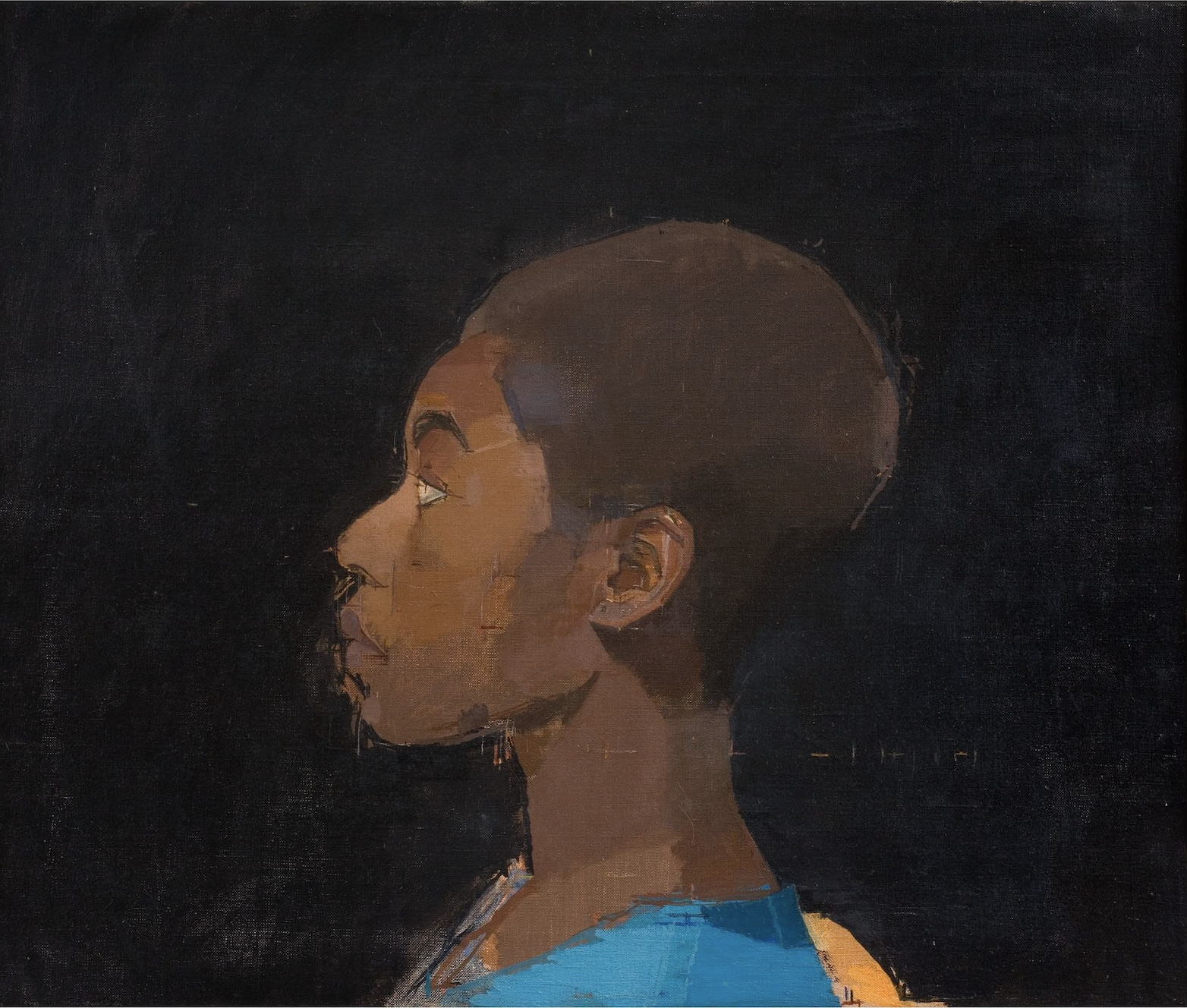
“If thought corrupts language, language can also corrupt thought.” If George Orwell had seen ahead to today’s scramble to make black—but not white—a proper noun when referring to racial groups, he might have cited capitalization, too, as a corruptor of thought.
Jennifer Harvey, evangelist for the anti-racist gospel of Ibram X Kendi, never capitalizes white but always capitalizes Black. She explains why in the introduction to Raising White Kids: Bringing Up Children in a Racially Unjust America (2020), her child-raising manual for white parents:
This may seem to be either an unfair, or at least a grammatically inappropriate nonparallel use of racial terms.
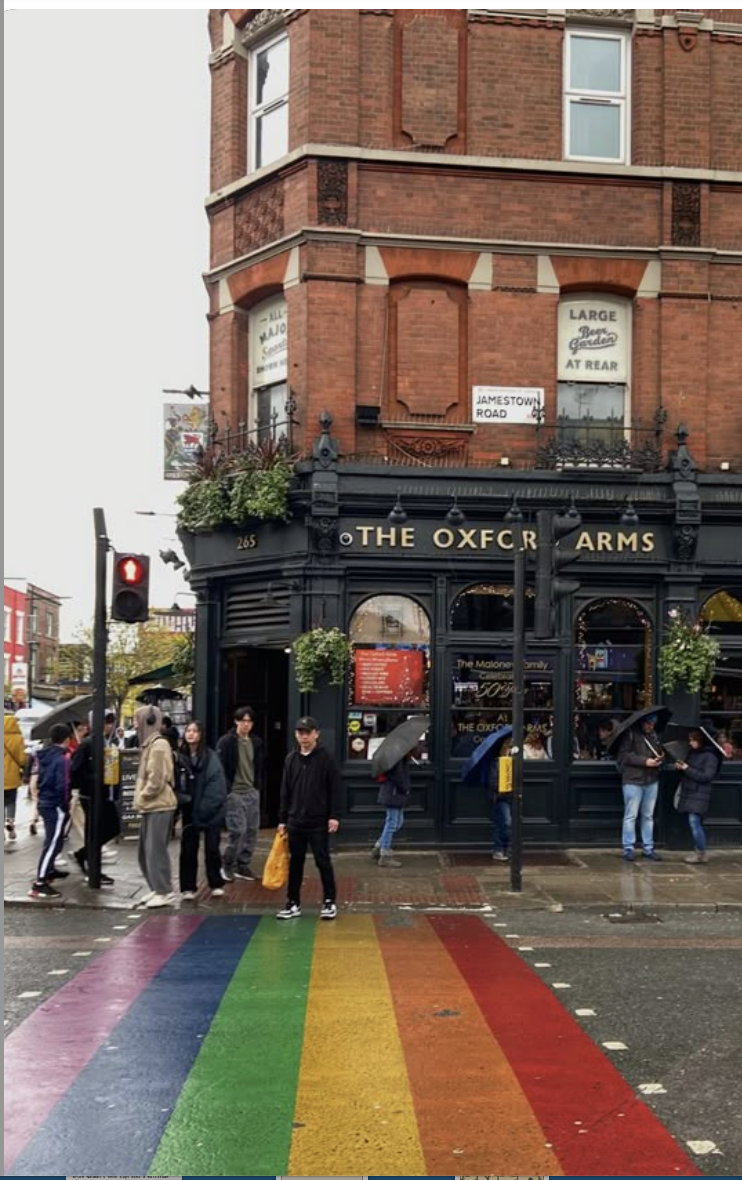
Graphic design is a silent but powerful language. Instantaneously recognized, a single graphic is easily digestible. It serves as a branding device for more than your afternoon cuppa at Starbucks or a Ralph Lauren sport shirt. Applied to an ideology and a movement, it simplifies everything it stands for. It leapfrogs over complexities, contradictions, and muffles the noise of rational argument. Most significantly, it conveys an identity and, with that, a corresponding ethos.
Under Constantine, the Chi-Ro—standardized and emblazoned on the official banner of the Roman Empire—was disseminated throughout the known world as understood by Greeks and Romans at the time. Continue Reading
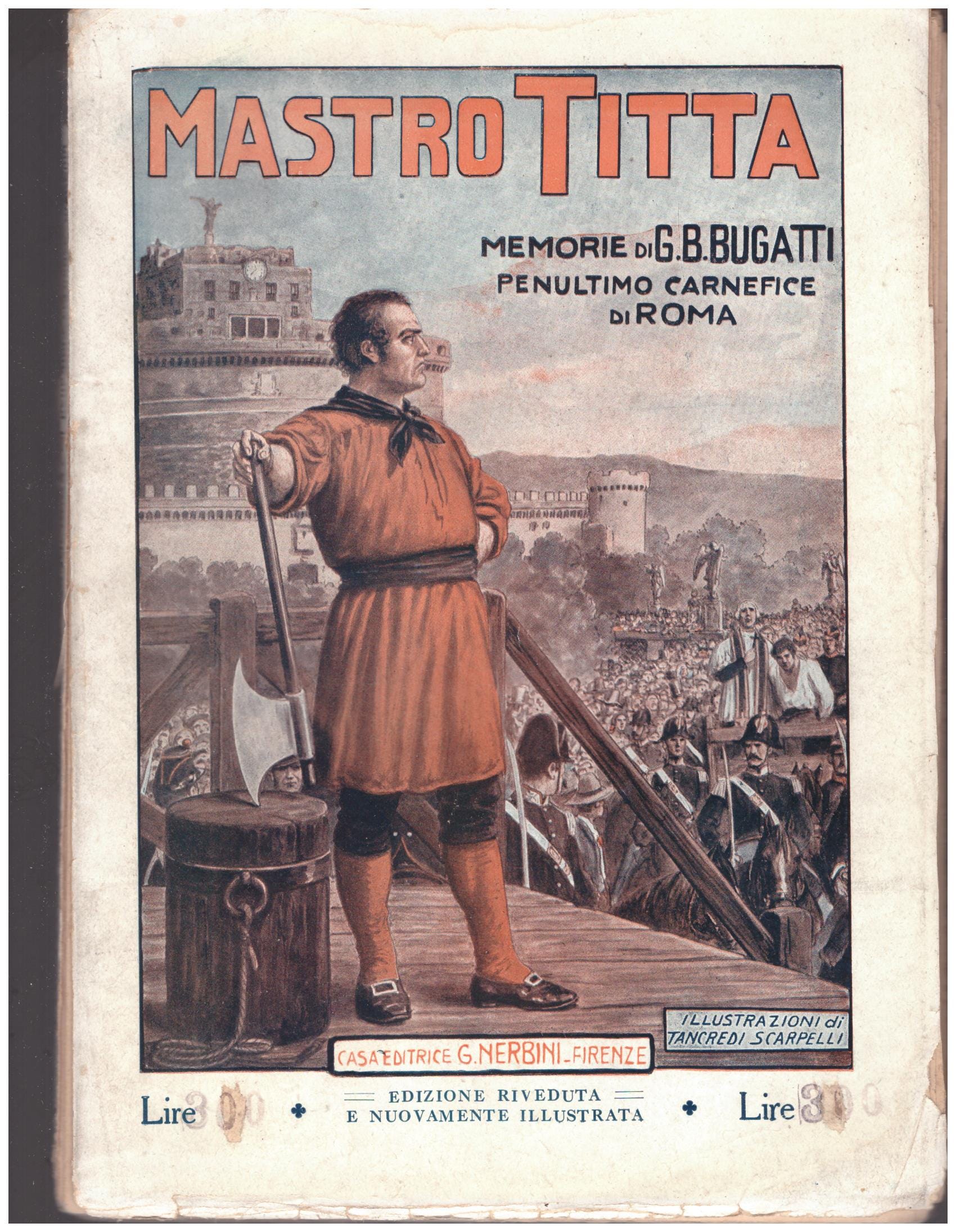
Meet Giovanni Battista Bugatti, official executioner for the Papal States from 1796 until he retired, with a papal pension, in 1864. Nicknamed Mastro Titta—a corruption of the Latin for “master of justice”—he was the longest serving and storied executioner under papal authority. He delivered justice 516 times over the years he held the job.
“With ax, noose, guillotine, Mastro Titta served the pope.” That enviable sentence is the opening line of “He Executed Justice,” an illuminating essay by John L. Allen, Jr., Continue Reading
Leo XIV’s sermon on Pentecost Sunday took its keynote from Benedict XVI. On Pentecost, 2005, Benedict proclaimed: “The Spirit opens borders… She [the Church] must open the borders between peoples and break down the barriers between class and race. In her, there cannot be those who are neglected or disdained.”
Benedict was not the first pope to oblige globalism by doing theology with one eye on geopolitics. Massive problems have followed that trajectory. Some are on view right now in the streets of Los Angeles. Continue Reading