Among Platonists, man is mind, intellect, above all else. Man is ordained to think. His province is learning and true wisdom. The rest is flesh and appetite, or, in the phrasing of Timaeus , an Eros of begetting. A common, ignoble thing that resides in the lower precincts of the body and pulls us earthenward, away from our celestial affinity. Christopher Johnson, in the comment section to the previous post, alludes to that ancient polarity. Speaking of El Greco’s St. Martin and the Beggar, he notes that the painting transports the scene from a mere act of charity to an encounter between the mortal and the divine. Continue Reading
With the morn, those angel faces smile which I have loved long since and lost awhile . —John Henry Newman Notes of condolence are among of the hardest things of all to write. They are obliged to console. Consolation is their raison d’etre. Yet how is that accomplished? What can be said at the moment grief demands its due without falling into maudlin cliché? Anguish seems better left with silence. Yet silence is cruel, a retreat from the one who grieves and an abandonment of the dead. Continue Reading
I heard a voice from heaven, saying unto me, Write: From henceforth blessed are the dead who die in the Lord. —Book of Common Prayer Can we stay awhile with death? This is November, month of the Holy Souls. Poor Souls, in the wording of my childhood. It is the season to remember that “in the midst of life, we are in death.” The Church gives us a full month to consider what the culture around us strains to obscure. Let us not rush. Continue Reading
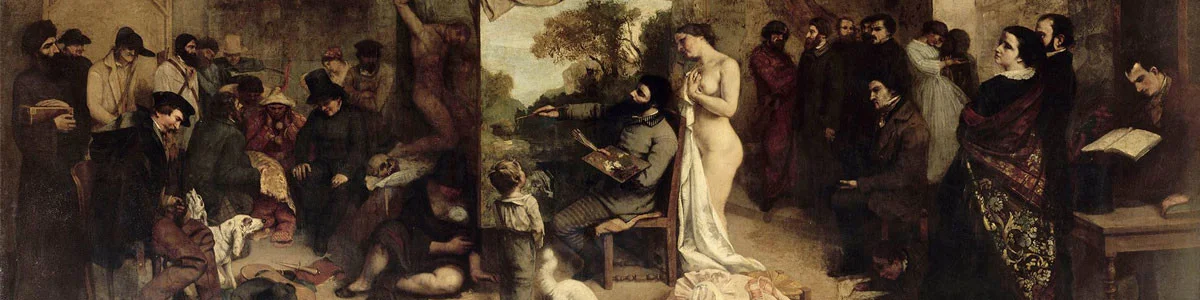
Art is an eminently earthly thing. —Pierre Revardy (1927)
Beautiful things are those which please when seen—and, of course, I mean mentally seen, and therefore pleasing to the mind . . . . Anything is beautiful if it be made in such a way as to give pleasure to the mind which perceives it, and the question as to what should or should not give pleasure to the mind is no more and no less difficult than the question as to what should or should not give annoyance.
Continue Reading
“Charles,” said Cordelia, “Modern Art is all bosh, isn’t it.” “Great bosh.” “Oh, I’m so glad. I had an argument with one of our nuns and she said we shouldn’t try to criticize what we didn’t understand. Now I shall tell her I have had it straight from a real artist, and snubs to her.” —Evelyn Waugh, Brideshead Revisited
Just because Waugh wrote it does not make it true. All the same, it is hard to blame him, writing as he was in the wake of Dada’s aggressive anti-art impulse. Continue Reading
Subscribe To The Newsletter

Subscribe To The Newsletter

Join the Studio Matters mailing list for an occasional heads-up. Thank you.

You have Successfully Subscribed!

Premade image 14

Subscribe To The Newsletter

Join the Studio Matters mailing list for an occasional heads-up. Thank you.