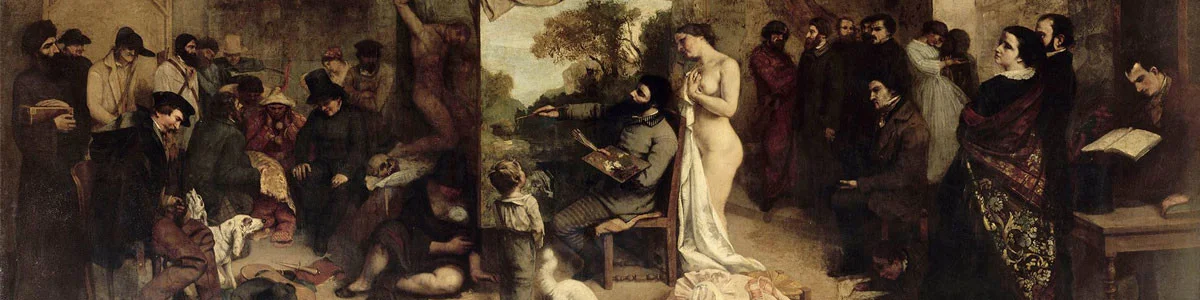
Cultures proliferate. But as Roger Scruton reminded us, the thing called civilization is something altogether different. It is a commanding inheritance—a dynamic, comprehensive order that defends against dissolution into bedlam. The peril of our historical moment lies in the denigration of civilization by a multiplicity of parochial cultures. From feminism, gay culture, LBGTQ+ Nation (with its own flag), and transgenderism, to aggressive assertions of racial and ethnic primacy, we are re-tribalizing. Passion for multiculturalism is little more than an inversion of the barbarian’s jealous hatred for civilization. Continue Reading

“Entertainment became the most obvious direct manifestation of freedom that liberalism offered humanity and, at the same time, the most tangible confirmation of the dominant status of the democratic man and his tastes.” So wrote Ryszard Legutko, an eminent Polish philosopher, statesman, and editor of Solidarity’s underground philosophy journal in the 1980s. His more recent The Demon in Democracy: Totalitarian Temptations in Free Societies continues:
The omnipresence of entertainment was something by which the democratic man became easily recognized: it was his trademark, his coat of arms, his—so to speak—identity card.
Continue Reading
Armond White is the movie critic for National Review. In 2010, as then-chairman of the New York Film Critics Circle, he addressed the group’s annual award banquet. Moviedom VIPs attended: Meryl Streep, George Clooney, Jeff Bridges, others. None liked what they heard. An essay based on that talk appeared afterward in First Things under the title “Do Movie Critics Matter?”
Most editors and publishers today cut out or limit criticism’s traditional media function. Journalistic standards have changed so drastically that, when I took the podium at the film circle’s dinner and quoted Pauline Kael’s 1974 alarm, “Criticism is all that stands between the public and advertising,” the gala’s audience responded with an audible hush—not applause.
Continue Reading
The Aquinas 101 Team at the Aquinas Institute has a new video series: “What Would it Mean to Prove God Exists?” An introductory blurb invites you in with this:
Everyone agrees that Aquinas’ famous “five ways” are supposed to be proofs of God’s existence. But what does it take to prove something? Is it enough just to persuade or convince the person you’re talking to? Or does proof require something more? For St. Thomas the answer is clear. Proof requires something else.
Continue Reading
Holidays are for reading. Everything slows on a three-day weekend. It gives us time to read those titles that call to us as we rush past them on an ordinary day. That’s the old reading technology, the kind I love to surround myself with. Then come the blog posts waiting at the bottom of a string of bookmarks in one browser or another. In some respects, the greatest urgency attaches to these. They exist in the ether and might not be there when I want them. Continue Reading
Subscribe To The Newsletter

Subscribe To The Newsletter

Join the Studio Matters mailing list for an occasional heads-up. Thank you.

You have Successfully Subscribed!

Premade image 14

Subscribe To The Newsletter

Join the Studio Matters mailing list for an occasional heads-up. Thank you.