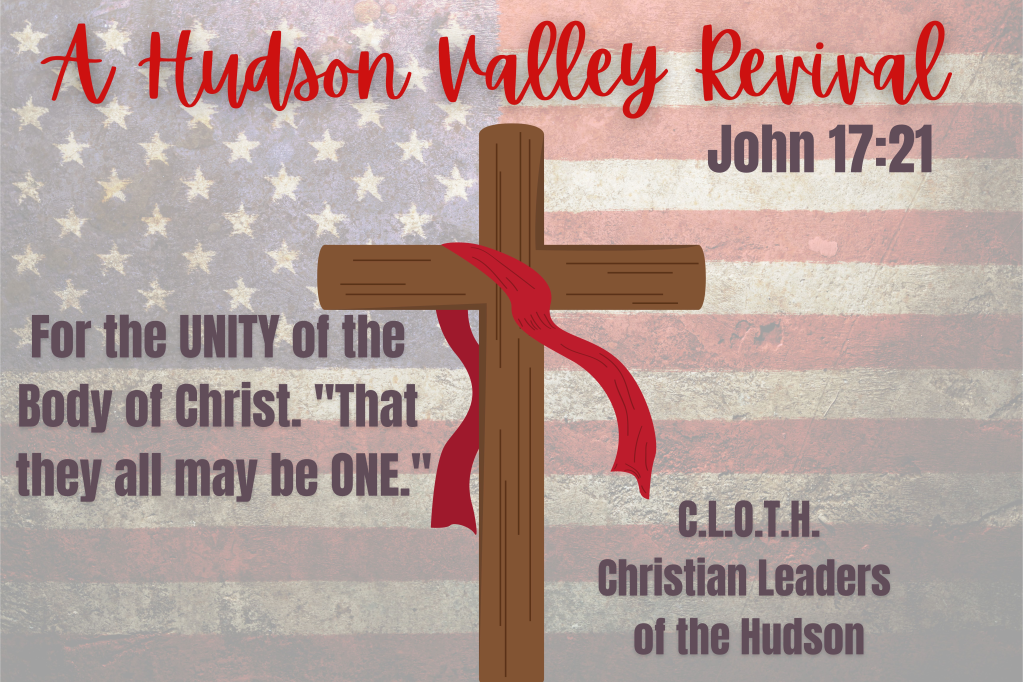
There is no political cure for an ailing culture. Remedy either arises from within or the patient succumbs to the false panaceas of social justice, sustainability, environmentalism—the day’s menu of toxic enthusiasms. Yet at the same time, we are called to live our religious convictions in the face of political constraints and counterfeit pieties of the age—and place—in which we find ourselves. What to do? An affiliation of ministers in New York State’s Hudson Valley are doing what American evangelicals have done successfully twice before in the late eighteenth and nineteenth centuries. Continue Reading
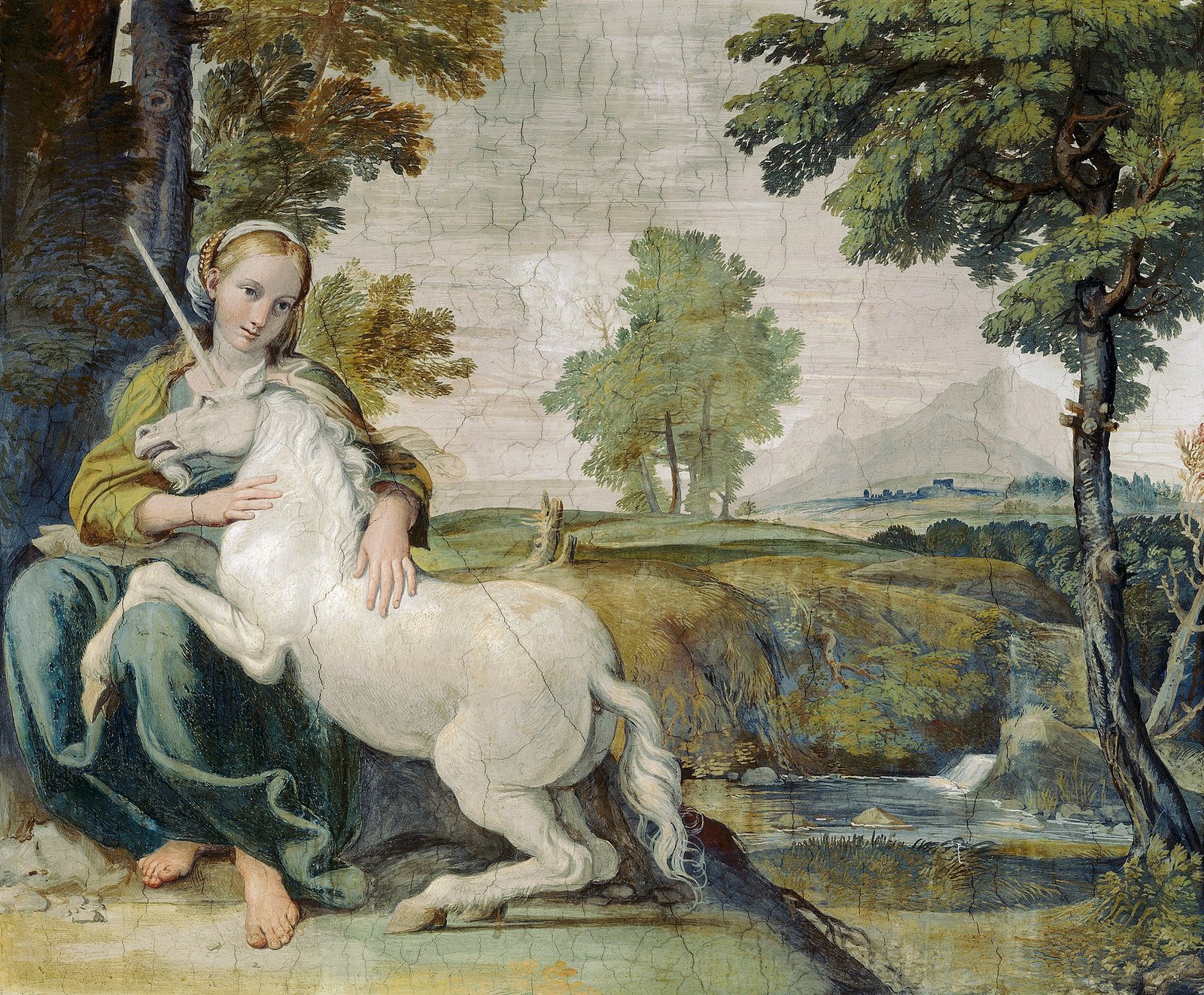
Unraveling the cat’s cradle of Catherine of Siena’s “writings” yields a twisty path into the politics of saint-making. The Saint Catherine of popular imagination is a composite of biography and invention. Glossed by shared cultural assumptions and aims, the hybrid is taken as historic. Idealization and legend are cherished as fact. Referring to Catherine’s productivity as writings is the customary way of naming it. Categorized among medieval women writers, the saint is sometimes depicted at a writing desk with pen in hand. Continue Reading
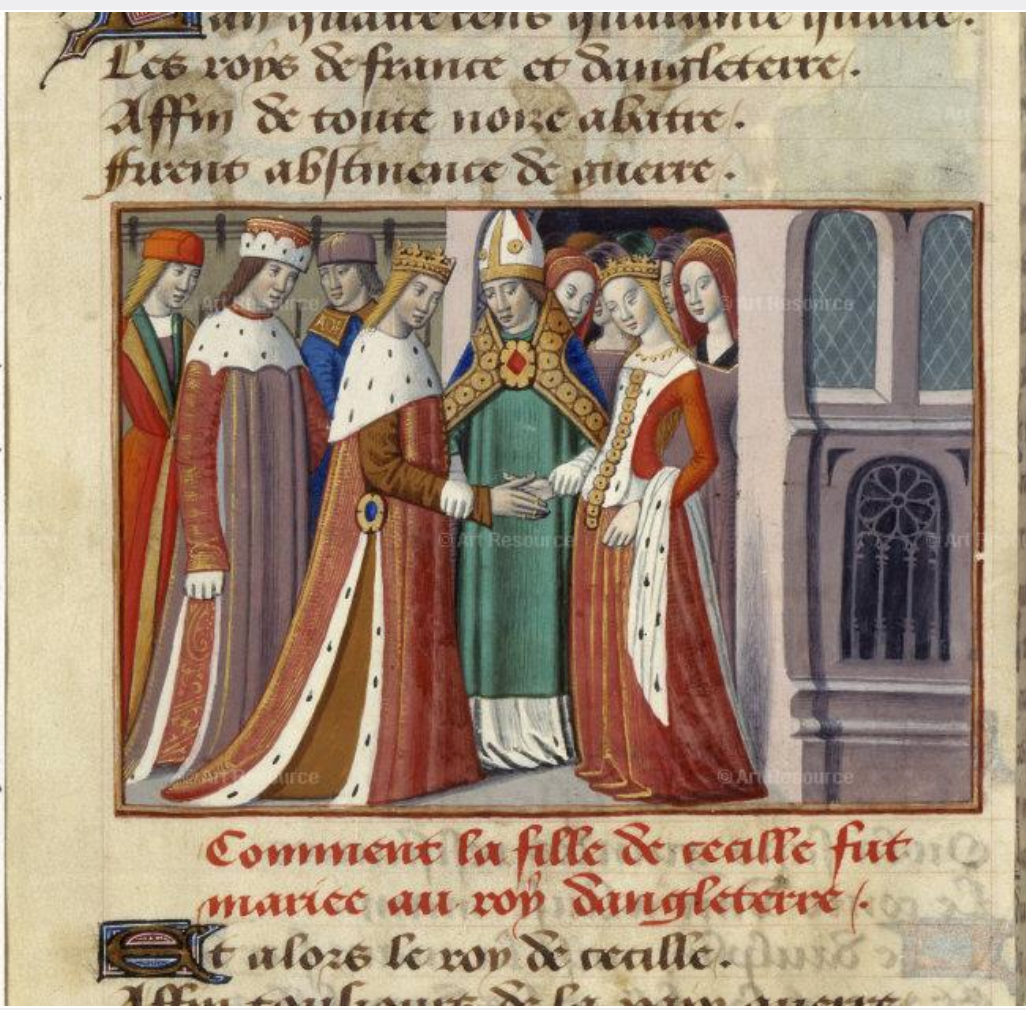
The Supreme Court’s landmark decision in 303 Creative LLC v. Elenis is all the more splendid given the firepower aimed against Lorie Smith, owner of 303 Creative LLC. A heavily armed battery of adversaries filed amicus curiae briefs in support of Elenis. Most of these had a stake in state-enforced assent to homosexuality. Some were hostile to religious influence on the public square. Leading the offensive was the Department of Justice. The majority opinion in 303 Creative restated particular arguments applied in the 2018 case Masterpiece Cakeshop v. Continue Reading
Fra Filippo’s resplendent Madonna della Cintola, in the previous post, sent me to a favorite passage in The Waning of the Middle Ages. Johan Huizinga‘s portrait of the linchpins of the medieval world—the ideas that bound together religion, art, and literature—has a few things to say about relics. The significance of them to the culture that embraced them is an integral part of medieval civilization.
The distinctly corporeal conception of the saints was accentuated by the veneration of their relics, not only permitted by the Church but forming an integral part of religion.
Continue Reading
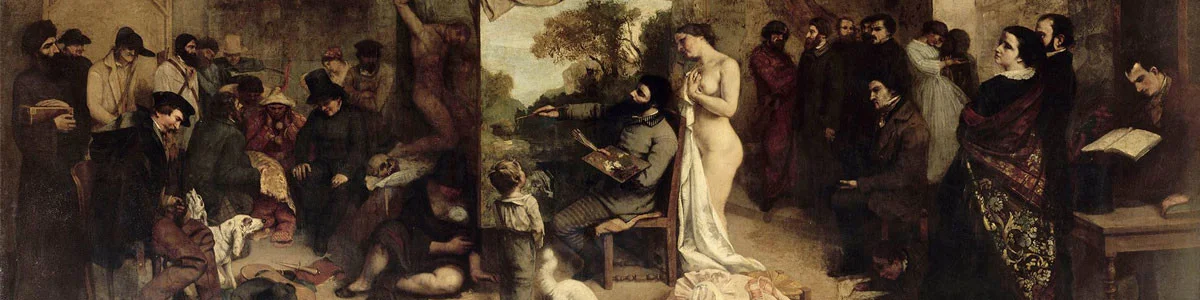
“The past is a foreign country. They do things differently there.” Nothing salutes the historian’s task more cogently than that lapidary first sentence of L.P. Hartley’s 1953 novel The Go Between. In fairness to Filippo Lippi, there is more to say. And the honor of history demands it—not to clear a path through the thicket of present concerns or to shake a finger at either past or present. But simply to understand our world without—as best we can—an ulterior motive. Despite Vasari’s known bent for embellishment, his spirited account of Fra Filippo’s elopement with Lucrezia Buti has been accepted in its essentials. Continue Reading
Subscribe To The Newsletter

Subscribe To The Newsletter

Join the Studio Matters mailing list for an occasional heads-up. Thank you.

You have Successfully Subscribed!

Premade image 14

Subscribe To The Newsletter

Join the Studio Matters mailing list for an occasional heads-up. Thank you.