SO WHO IS TUCKER NICHOLS? Whose kid is he? That was my first thought when I saw the name on an oversized, electric red envelope in the mailbox. At quick glance, it looked hand-addressed—immature block lettering dotted with a blot or two. It was the kind of Magic-Markering ten-year-olds send to each other by way of party invitations. Then I turned it over and saw a gallery’s return address. The envelope unfolded into a poster announcing Nichols’ third exhibition at Ziehersmith. Continue Reading
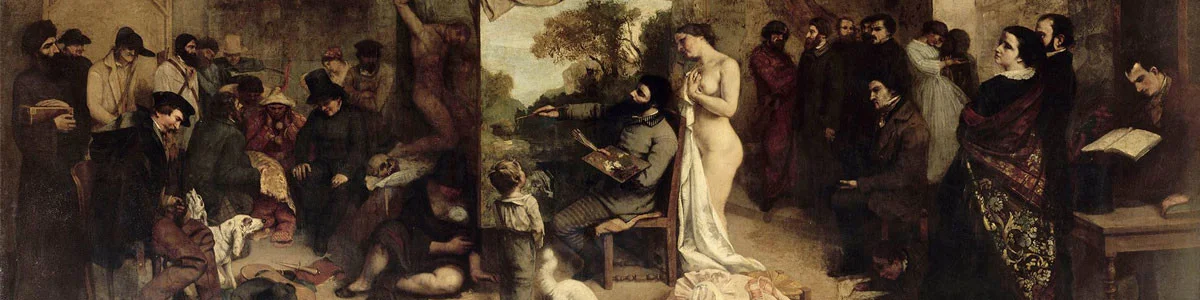
Ross Neher has described himself as a practicing painter and a partisan in the rough-and-tumble New York art world. In his book, Blindfolding the Muse: the Plight of Painting in the Age of Conceptual Art (1999), he sets down valuable—and contentious—arguments in defense of the art of painting. The art, mind you; not the concept. He addressed his book to sophisticated laymen, the very audience savvy enough to know there are two art worlds. One is the self-selected circular nexus of galleries, institutions, auctions houses and press outlets that celebrate a $12 million stuffed shark or the latest banality to receive the Whitney’s Bucksbaum Award. Continue Reading
Michael Quenot, an authority on the art and Orthodox theology of icons, insists on the primacy of two dimensional images in the visual expression of religious conviction. In The Icon: Window on the Kingdom, he wrote that the two-dimensional iconographic image is “more accessible to mystery.” It is an irritating point to anyone who marvels at the possibility, attested to by modern physics, that we live in ten, possibly eleven, dimensions. We experience three of them—height, length, depth—directly through our senses. Continue Reading
Art talk has become so bloated with self-consciousness that it hardly counts as conversation any more. Certainly not as the Goncourt brothers understood the word. Not even as it is practiced over a Sam Adams Light at McFadden’s Tap. These days, art talk is known as discourse, a gray, unsmiling thing with the smell of the podium about it. If only Ernest Gellner were still here to do for artspeech what he did for the analyst’s couch in The Psychoanalytic Movement (1985). Continue Reading
The lecture goes back a few years but reminders of it keep arriving. In November, 2003, while he was here for his exhibit at Gagosian, Howard Hodgkin gave a talk at the Frick. The subject was one of those airy things that weigh a ton: an artist’s perspective on the relationship between painting and its audience. The topic presupposes a certain consciousness on the part of painting itself, that it might reach out, as they say, to hold up its part in relationship with you and me. Continue Reading
Subscribe To The Newsletter

Subscribe To The Newsletter

Join the Studio Matters mailing list for an occasional heads-up. Thank you.

You have Successfully Subscribed!

Premade image 14

Subscribe To The Newsletter

Join the Studio Matters mailing list for an occasional heads-up. Thank you.
