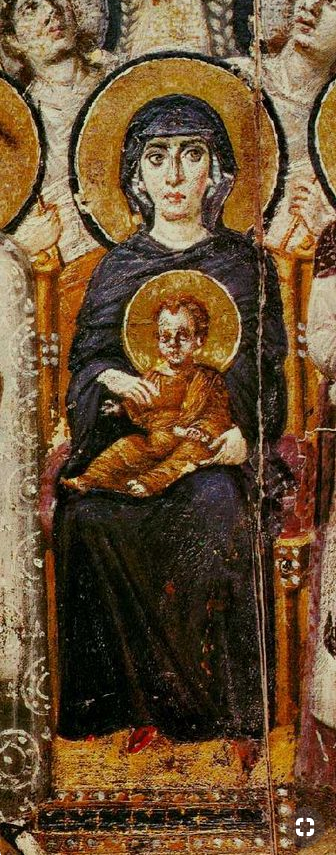
Fra Filippo’s resplendent Madonna della Cintola, in the previous post, sent me to a favorite passage in The Waning of the Middle Ages. Johan Huizinga‘s portrait of the linchpins of the medieval world—the ideas that bound together religion, art, and literature—has a few things to say about relics. The significance of them to the culture that embraced them is an integral part of medieval civilization.
The distinctly corporeal conception of the saints was accentuated by the veneration of their relics, not only permitted by the Church but forming an integral part of religion.
Continue Reading
The Aquinas 101 Team at the Aquinas Institute has a new video series: “What Would it Mean to Prove God Exists?” An introductory blurb invites you in with this:
Everyone agrees that Aquinas’ famous “five ways” are supposed to be proofs of God’s existence. But what does it take to prove something? Is it enough just to persuade or convince the person you’re talking to? Or does proof require something more? For St. Thomas the answer is clear. Proof requires something else.
Continue Reading
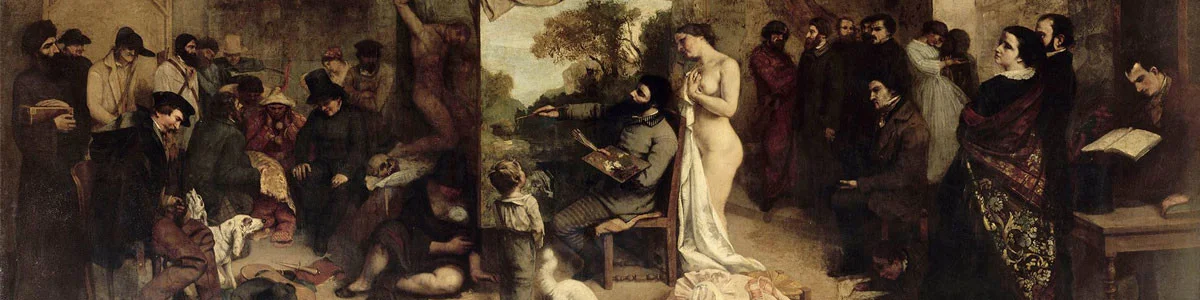
We are a symbol-minded species. We create symbols and live by them. They pervade our assumptions and suggest to us ways to express and apply them. In religion—as in mathematics—symbols enable us to consider and reflect. In that sense, the Nativity crèche both charms and instructs. It is a conventional way to symbolize the Incarnation. Every year while my children were young, the traditional tableau spread out under the Christmas tree. Mary and Joseph waited for midnight when the infant would be placed in a manger filled with real straw. Continue Reading
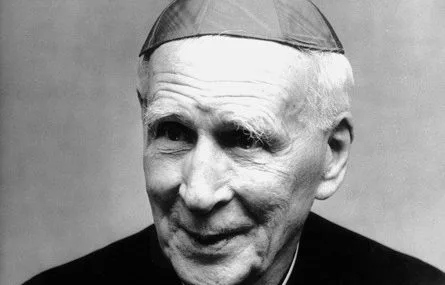
George Tyrrell remains too-readily dismissed as a heretical figure in the modernist controversy. He revered Mary as the sign and summit of contemplative life. Conversely, Pope Francis is on a tear to strangle the Church’s contemplative orders. This December 8, the Feast of the Immaculate Conception, seems a fitting time to honor Mary with the words of Fr. Tyrrell written eight years before his expulsion from the Jesuits. Unlike our present pope, Tyrrell lauded the transcendent grace of cloistered distance from the endless vicissitudes of the world. Continue Reading
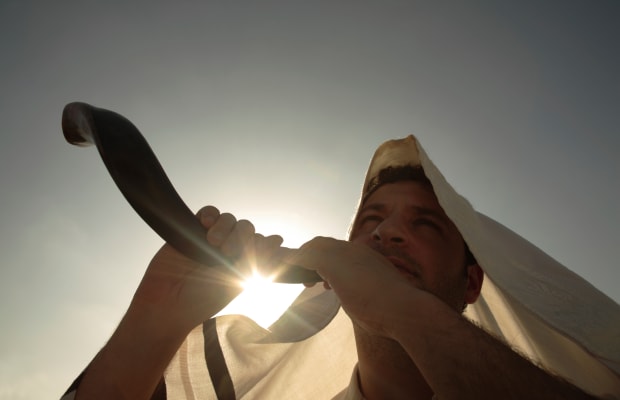
Yom Kippur, the holiest day of the Jewish year, began Tuesday, October 4, just before sundown and will last until nightfall this evening. This Day of Atonement is marked by fasting for twenty five hours, extended synagogue services, and penitential liturgies. It is a day to afflict the soul with recognition of one’s sins, with repentance, pleas for forgiveness, and determination not to offend ever again. Sacred stress on this “Sabbath of all Sabbaths” is on sins against God. Offenses against other people require reconciliation with the person sinned against. Continue Reading
Subscribe To The Newsletter

Subscribe To The Newsletter

Join the Studio Matters mailing list for an occasional heads-up. Thank you.

You have Successfully Subscribed!

Premade image 14

Subscribe To The Newsletter

Join the Studio Matters mailing list for an occasional heads-up. Thank you.