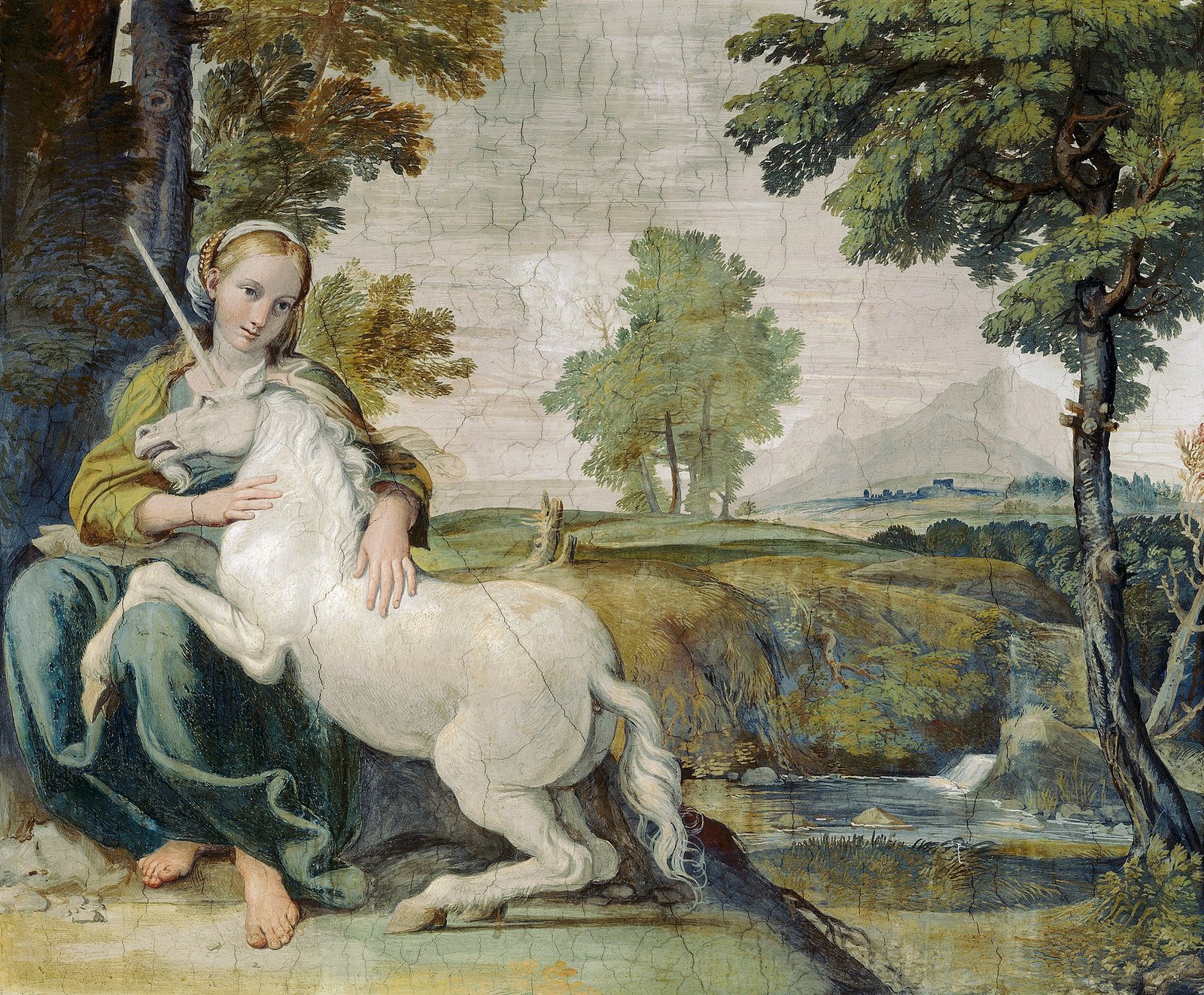
Perhaps in dread of the next installment of Pope Francis’ environmental theology, Laudato Sí, v.2, Catholic media is turning search lights again on Teilhard de Chardin. With apologies to professional theologians and philosophers, I admit to weariness with zest for heresy-spotting. And scapegoating. If Teilhard’s mysticism came close at times to the edge of the precipice, it was his fidelity to the absolute primacy of Christ that, in the words of Henri de Lubac “saved him from a fall.” [See de Lubac’s Teilhard de Chardin: The Man and His Meaning.] Continue Reading
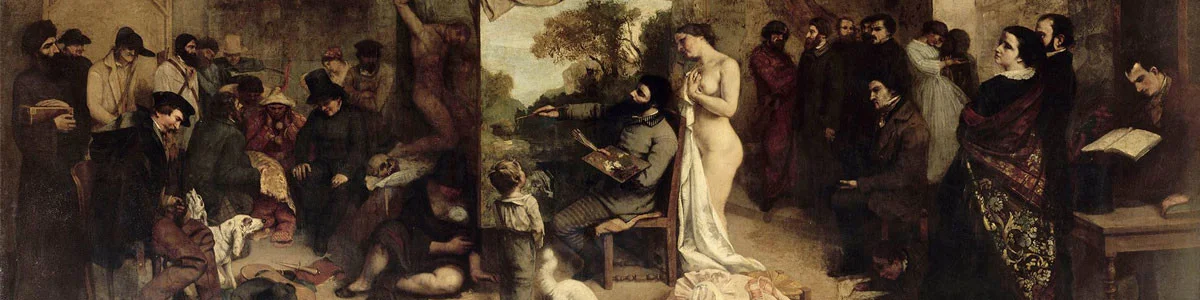
My recent post on Saint Catherine of Siena prompted several quizzical—not to say unhappy— letters. There seems a common conviction that Catherine’s title “Doctor of the Church” is long-standing. In tandem with that misbelief comes confidence that the very title refutes any claim that the saint was illiterate. Surely the scholarship is faulty! Let us look. “Doctor” is an honorific that ranks Catherine alongside the founding luminaries in the Church’s intellectual history: Saints Ambrose, Augustine, Gregory I, and Jerome. Because it grants her theological and doctrine significance equal to these four giants (plus some thirty other Doctors, including ones from the East), there exists the impression that her “doctorate” is a venerable tradition that goes way back. Continue Reading
Fra Filippo’s resplendent Madonna della Cintola, in the previous post, sent me to a favorite passage in The Waning of the Middle Ages. Johan Huizinga‘s portrait of the linchpins of the medieval world—the ideas that bound together religion, art, and literature—has a few things to say about relics. The significance of them to the culture that embraced them is an integral part of medieval civilization.
The distinctly corporeal conception of the saints was accentuated by the veneration of their relics, not only permitted by the Church but forming an integral part of religion.
Continue Reading
“The past is a foreign country. They do things differently there.” Nothing salutes the historian’s task more cogently than that lapidary first sentence of L.P. Hartley’s 1953 novel The Go Between. In fairness to Filippo Lippi, there is more to say. And the honor of history demands it—not to clear a path through the thicket of present concerns or to shake a finger at either past or present. But simply to understand our world without—as best we can—an ulterior motive. Despite Vasari’s known bent for embellishment, his spirited account of Fra Filippo’s elopement with Lucrezia Buti has been accepted in its essentials. Continue Reading
The sexual saga of Fr. Marko Ivan Rupnik, S.J., a priapic theologian, artist, and abuser of women, has gotten enough press. Now Catholics ask: “What should we do with his art?” It is the wrong question. The only reason it arises is the infuriating fact that what should be done cannot be done. Punishment ought to be carried out on the man himself. Rupnik should be castrated. Unhappily, we do not do that anymore. So we fantasize about wreaking vengeance on his mosaics. Continue Reading
Subscribe To The Newsletter

Subscribe To The Newsletter

Join the Studio Matters mailing list for an occasional heads-up. Thank you.

You have Successfully Subscribed!

Premade image 14

Subscribe To The Newsletter

Join the Studio Matters mailing list for an occasional heads-up. Thank you.