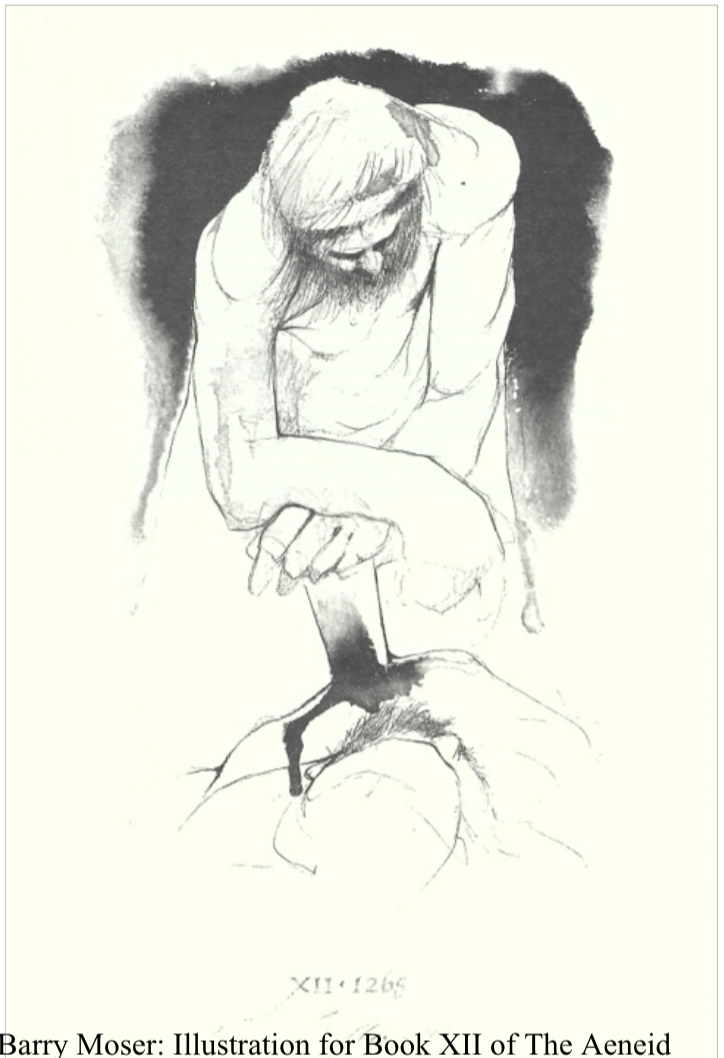
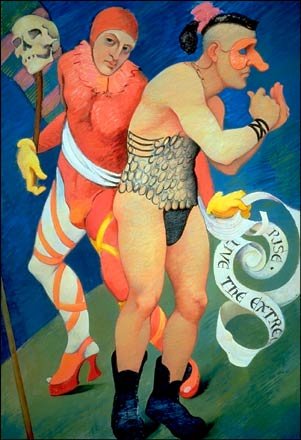
While the holy month of Pride was upon us, I thought often of the ancient Dance of Death. Through the 1990s, at the height of the AIDS epidemic, a parade saluting sexual behaviors that shortened lives struck me as a celebration against itself—an inverted Danse Macabre. What once had been cautionary and didactic was  becoming exhortative. The parade was encouraging if not, in a perverse way, edifying. A certain kind of free spiritedness, however lethal, was assumed to be tinged with heroism. Continue Reading
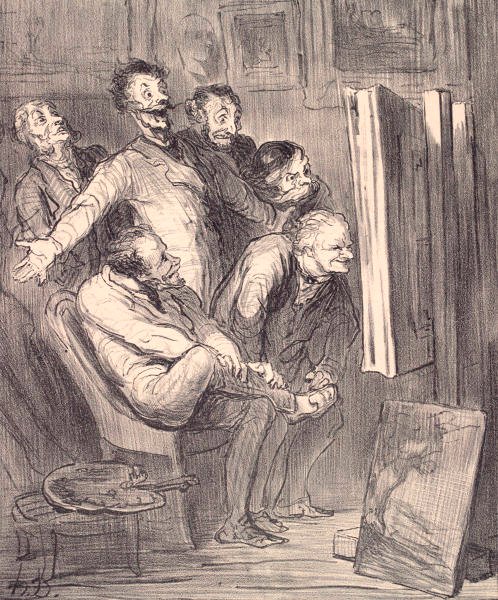
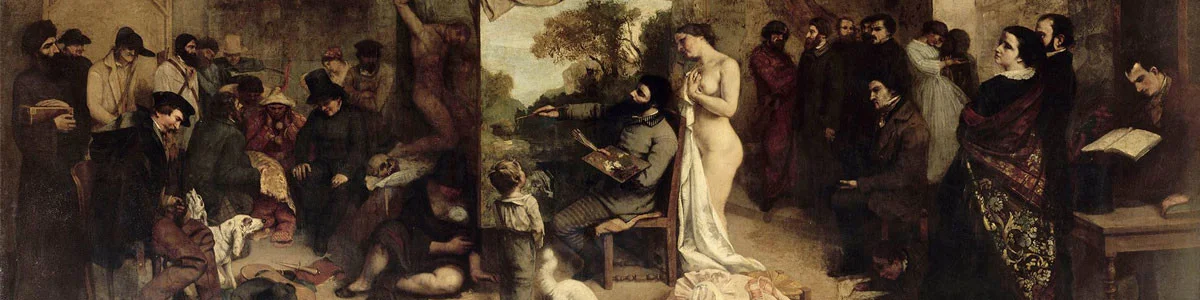
Studio Matters began as a companion to my columns for the culture desk of The New York Sun in its brief reincarnation as a print edition. I often miss my weblog’s original mandate. At the time, The Sun ran the best arts coverage in New York City. A small troupe of us covered visual arts for the culture desk under the heading “Gallery Going.” Journalistic art criticism has been with us since the Mercure de France published the first criticism of a Paris Salon in 1738. Continue Reading
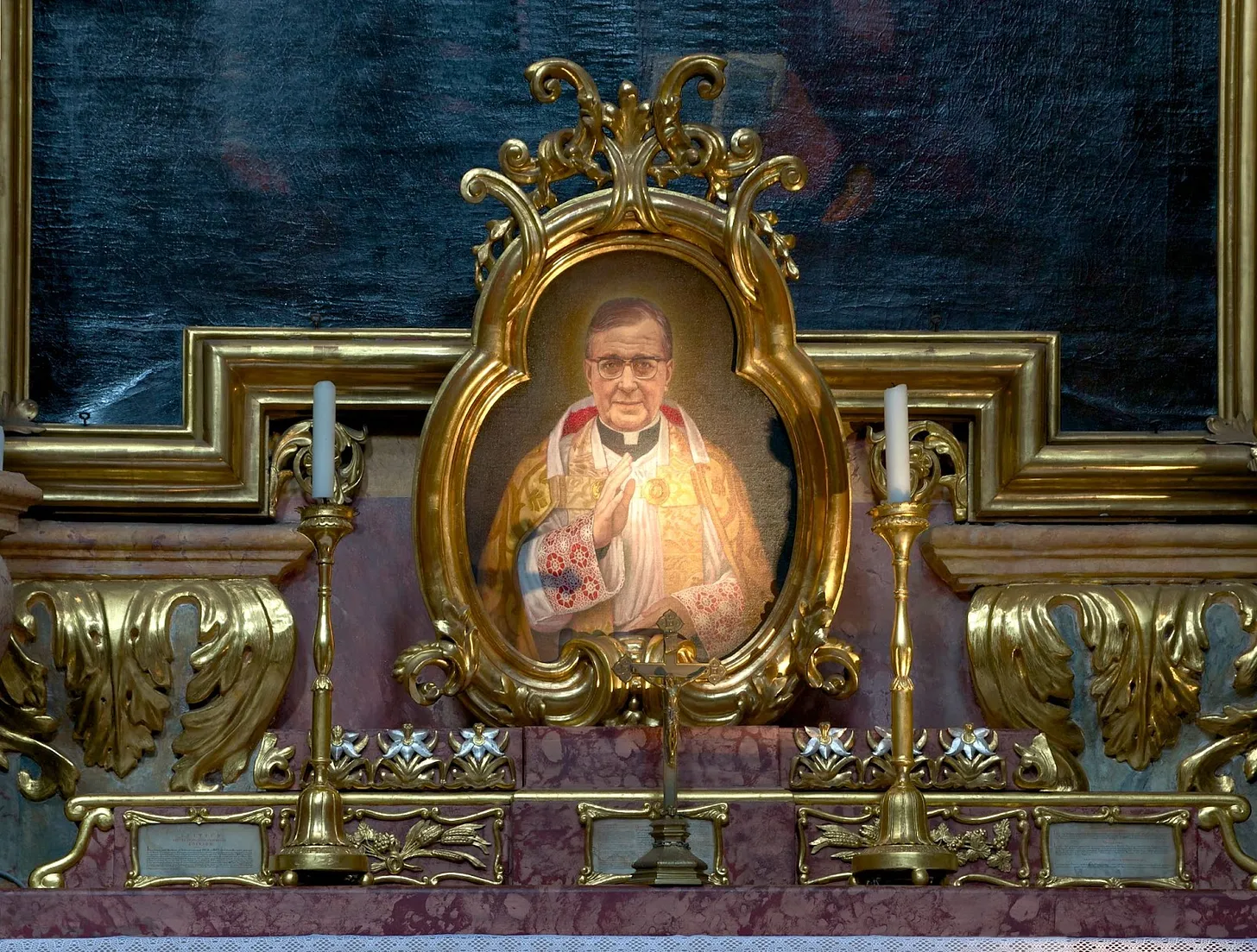
Harrison Butker’s commencement address at Benedictine College was a mixed pleasure. There was much in it to cheer. Nonetheless, his spotlight on Josemariá Escrivá de Balaguer, (1902-1975), founder of Opus Dei, raised a red flag. How familiar is Butker with the richness of Catholic tradition beyond the contours of a quasi-sectarian, ultra-orthodox movement hinged on a personality cult? More on that later. But first, the pleasure. Part homily, part pep talk, the address challenged young Catholics to recognize the moral bankruptcy of the culture they will inhabit as adults. Continue Reading
Yesterday, October 27, was the day Pope Francis specified as a day of prayer for peace. My local parish, unencumbered by desire for moral clarity, invited all parishioners to a noon Mass followed by a special rosary for peace—in the abstract. Refusal to take sides burlesques the famed events of 1571 when Christendom kept churches open and prayed the rosary during the Battle of Lepanto. Yes, Pope Pius V enjoined all Christians to pray. But not for peace. He called them to pray that the Holy League would defeat the formidable Ottoman fleet. Continue Reading
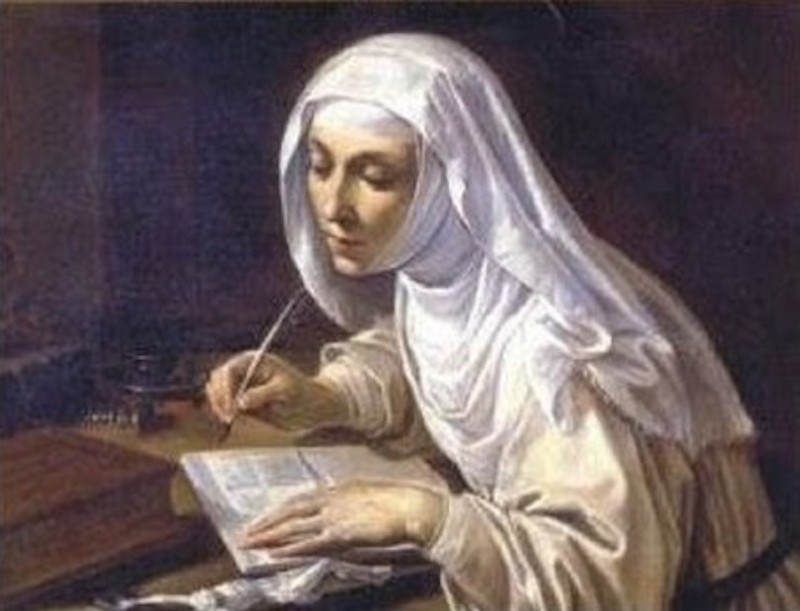
Unraveling the cat’s cradle of Catherine of Siena’s “writings” yields a twisty path into the politics of saint-making. The Saint Catherine of popular imagination is a composite of biography and invention. Glossed by shared cultural assumptions and aims, the hybrid is taken as historic. Idealization and legend are cherished as fact. Referring to Catherine’s productivity as writings is the customary way of naming it. Categorized among medieval women writers, the saint is sometimes depicted at a writing desk with pen in hand. Continue Reading
Subscribe To The Newsletter

Subscribe To The Newsletter

Join the Studio Matters mailing list for an occasional heads-up. Thank you.

You have Successfully Subscribed!

Premade image 14

Subscribe To The Newsletter

Join the Studio Matters mailing list for an occasional heads-up. Thank you.