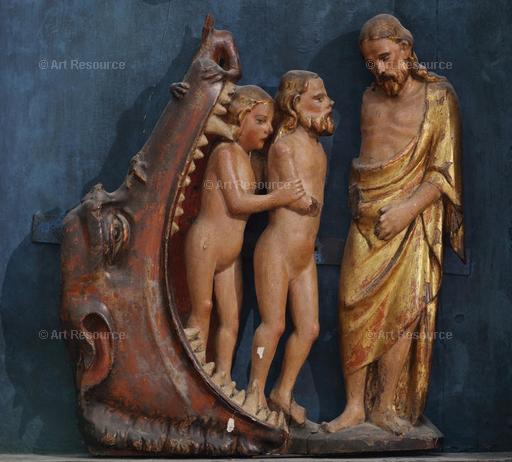
Today is the feast of the Annunciation. The Gospel story of an encounter between an angel and a peasant girl in ancient Judea has provided us with a treasury of luminous depictions. Much as I love the inventory of them as works of art, only one draws me to wonder and to prayer. The essential commitments of faith do not begin in intellectual assent. That comes later. Intellect ratifies what the heart has already glimpsed. And the eye grasps certain things in an instant; the mind takes longer to grant approval to reasoned argument. Continue Reading
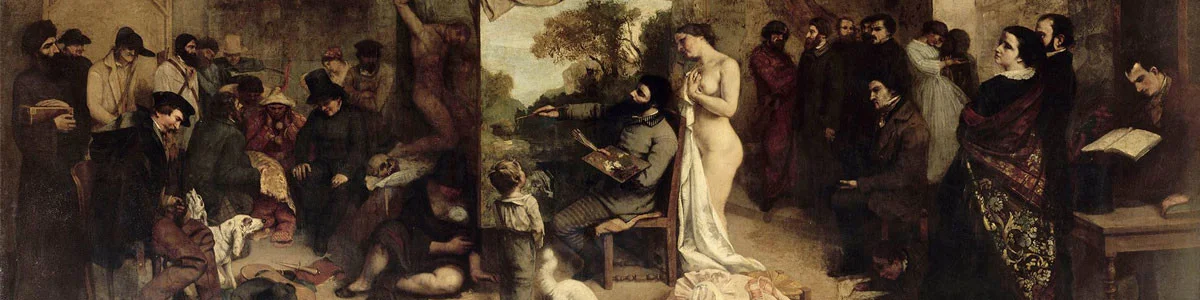
More than monuments are toppling. Our sense of the sacred diminishes further with each week that fear of Wuhan virus ranks higher on parish concerns than the concept of sin. Thomas Mann once quipped that nowadays sin is “an amusing word used only when one is trying to get a laugh.” Now we can get our laughs untainted by any nagging guilt right in our own parishes. They have risen from slumber over the concept of sin in order to testify with vigor to hygiene in the age of COVID. Continue Reading
“Doctor, Doctor, will I die?” “Yes, my child, and so shall I.”Hand sanitizer has entered the liturgy as both a stay against mortality and a sacramental displacing holy water. Coronavirus is not cholera but it might as well be. That is the unavoidable impression given by churches with dry fonts but multiple dispensers of sanitizer. Every acute respiratory illness is serious. By no means is this latest Chinese virus to be taken lightly. But there is no point in my adding to the media drum beat. Continue Reading
Mortality was much on the mind of St. Augustine. In The City of God, he exhibits skepticism that a world thoroughly free of death-dealing plague could ever be possible. The tenor of this old quatrain has an Augustinian ring: Doctor, Doctor, will I die? Yes, my child, and so shall I. Like the original wording of many eighteenth century nursery rhymes, the lines irritate modern ears. Twentieth century sensibilities revised it to suit a well-fed, housed, and vaccinated generation poised to dismiss dispiriting reminders of mortality. Continue Reading
A sword lays buried within the mandate to love our enemies. Paul nodded to it in his letter to the Christian community in Rome. He quoted a passage from the wisdom literature familiar among Jews: “If your enemy is hungry, give him food to eat; if he is thirsty, give him water to drink. In doing this, you will heap burning coals on his head, and the Lord will reward you” (Prov. 25: 21-22). There is a compelling paradox here, a tension between kindly acts and anticipation of eventual punitive outcome for the recipient of the kindness—those burning coals! Continue Reading
Subscribe To The Newsletter

Subscribe To The Newsletter

Join the Studio Matters mailing list for an occasional heads-up. Thank you.

You have Successfully Subscribed!

Premade image 14

Subscribe To The Newsletter

Join the Studio Matters mailing list for an occasional heads-up. Thank you.