As the press tells it, this year’s consecration of Russia, together with Ukraine, was undertaken at the bidding of Ukraine’s Catholic bishops. Beneath the religious-sounding string of catchwords and rebukes, it is a secular declaration pronounced for political purposes. The media-driven orthodoxy of the day—Putin, evil; Zelensky, heroic—resurrects an outmoded cultural diktat. It serves neither the Church nor the truth of things. Russia is no longer the font of atheistic materialism as Cardinal Burke believes it to be. His recent claim that “the great evil of Communism must be healed at its root” is true. Continue Reading
On March 25th, Pope Francis formally consecrated “all humanity, especially Russia and Ukraine” to the Immaculate Heart of Mary. The declaration raised questions more urgent than technical ones about proper wording and protocols. At stake is the efficacy of politically tinged papal pronunciamentos and, with them, the integrity of ecclesiastical authority in the Catholic Church. First, some preliminaries. Catholics are not bound to believe in private revelations. The emotional sincerity of visionaries is not evidence of divine authorship of their visions. Continue Reading
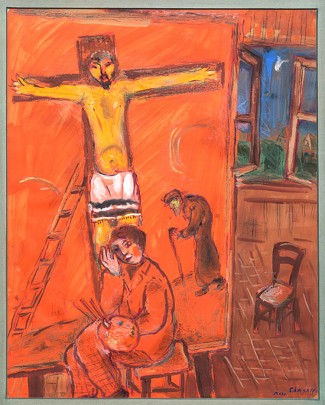
Is papal art appreciation all that it seems? Pope Francis once cited Chagall’s “White Crucifixion” as one of his two favorite paintings. Perhaps he really meant it. Or maybe his stated preference was a cost-free instance of diplospeak. A polite ceremonial gesture to cover an entrenched imbalance in his Middle East sympathies? Either way, as an expression of sympathy for the Jewish people, papal art appreciation is easy but insubstantial.     It is no substitute for unambiguous support for Israel, a tiny Jewish state targeted for extinction from the date of its founding. Continue Reading
Born Moiche Zakharovitch Chagalov, Chagall never resolved his conflict between affinity for Yiddish culture and ambition to mark his place in the timeline of modern Western art. The tension took a toll on his instinct for painting. But let us not begin there. Better to start with Brad Miner’s essay “Marc Chagall’s Jesus,” for The Catholic Thing. It distills the reasons why Chagall’s work continues to resonate. And it provides context for “White Crucifixion” (1938), the best known of Chagall’s many interpretations of the crucifixion theme:
Chagall was living [for a second time] in Paris at this point, and news of the Kristallnacht pogrom and other attacks on Jews were the impetus for the creation of “White Crucifixion.”
Continue Reading
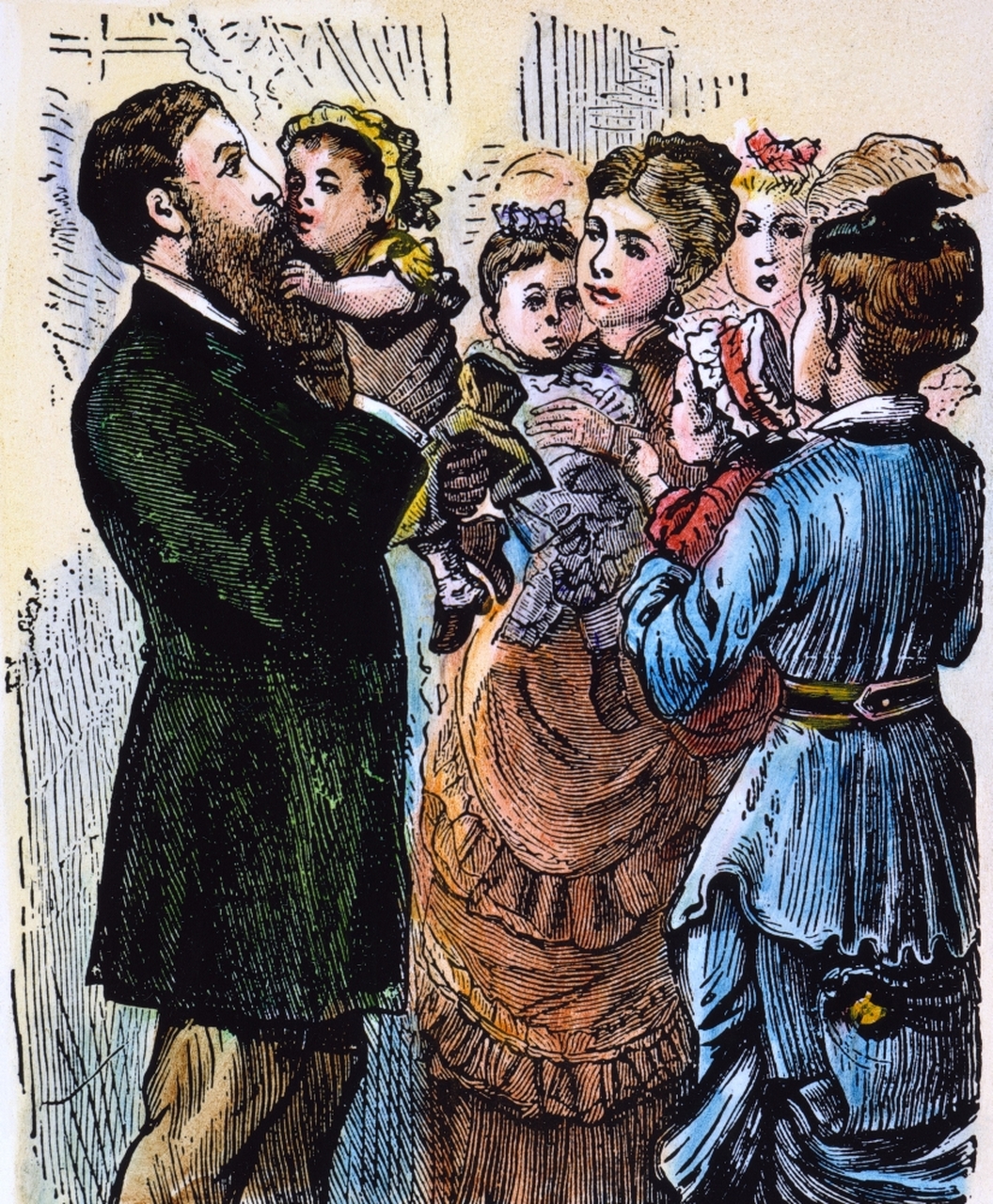
Here within the orbit of Manhattan, masks are not merely tolerated; they are embraced. Obedience to Covidian biopolitics elevated masking to a sacramental act. It has become the secular analogy to sprinkling holy water or making the sign of the cross. Merit accrues to a new ritual observance that effaces individual identity and desensitizes us to the complex role of faces in personal communication. This compulsive masking sharpens my memory of words that have stayed with me since girlhood: “By the time you are 40, you are responsible for your own face.” Continue Reading
Subscribe To The Newsletter

Subscribe To The Newsletter

Join the Studio Matters mailing list for an occasional heads-up. Thank you.

You have Successfully Subscribed!

Premade image 14

Subscribe To The Newsletter

Join the Studio Matters mailing list for an occasional heads-up. Thank you.